Digital Marketing
B2C Is Not Enough: How B2B Omni-channel Marketing Drives Sustainable ROI
In today’s crowded marketing landscape, B2C campaigns dominate attention with flashy creatives, trending content, and viral influencers.
But for brands seeking sustainable growth and measurable ROI, relying solely on consumer campaigns is no longer enough. Businesses now demand strategic, consistent, and measurable B2B engagement across multiple channels.
That is why b2b omni channel marketing has become the cornerstone for agencies, enabling them to influence decision-makers, demonstrate value, and secure long-term client partnerships.
Key Takeaways:
-
82% of business buyers expect the same experience as consumers when engaging with companies. (SalesForce, 2018)
-
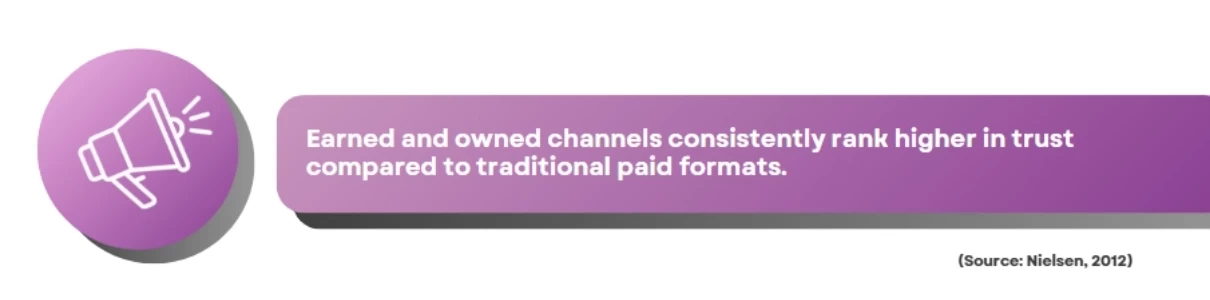
Earned and owned channels consistently rank higher in trust compared to traditional paid formats. (Nielsen, 2012)
-
B2B buying groups typically include 6–10 decision-makers, each consuming different content and channels before agreeing on a purchase. (Forbes, 2025)
-
70% of the B2B buyer journey is completed before buyers speak to sales. (6sense, 2024)
-
76% of internet users research brands online before deciding, emphasizing the need for omni-channel visibility. (PR Newswire, 2021)
- Millennials and Gen Z compromise 71% of B2B buying committees, accelerating the demand for digital-first, self-service research experiences. (Forrester, 2024)
Are Brands Still Treating B2B Like an Afterthought?
B2C campaigns are louder, faster, and more visible, but that doesn’t necessarily make them more sustainable. The truth is that B2B omni-channel marketing has become the new revenue foundation for companies seeking predictable growth, higher-value retainers, and measurable performance authority.
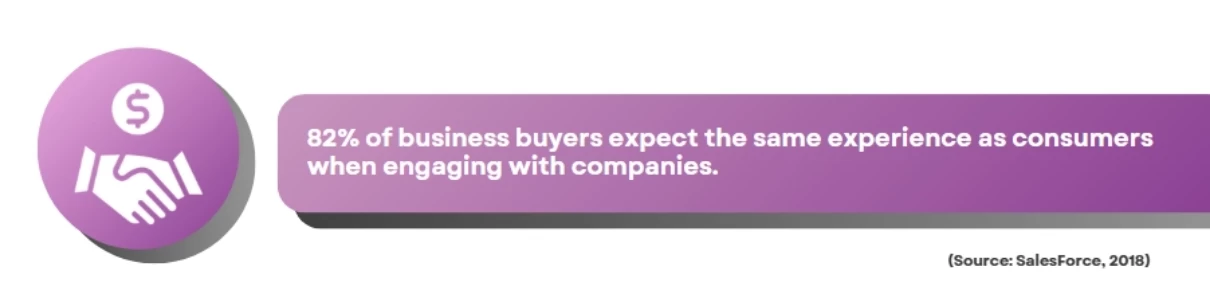
B2B buyers now expect seamless platform transitions that allow them to move effortlessly from one channel to another without losing context. They look for personalized messaging tailored to their specific needs and challenges, along with a consistent brand voice that builds familiarity and credibility at every touchpoint. They also rely on data-backed trust signals, such as case studies, testimonials, and measurable results, to validate their decisions.
Failing to provide a unified and cohesive experience puts brands at risk of losing relevance in an increasingly competitive market.
Why Are Brands Struggling with B2C Saturation?
1. Rising Competition and Trust Decline
Every influencer marketing agency, every community management agency, every search engine optimization agency is fighting for shrinking attention spans. Flashy campaigns may capture the eyes, but not long-term loyalty.
2. Complex B2B Buying Structures
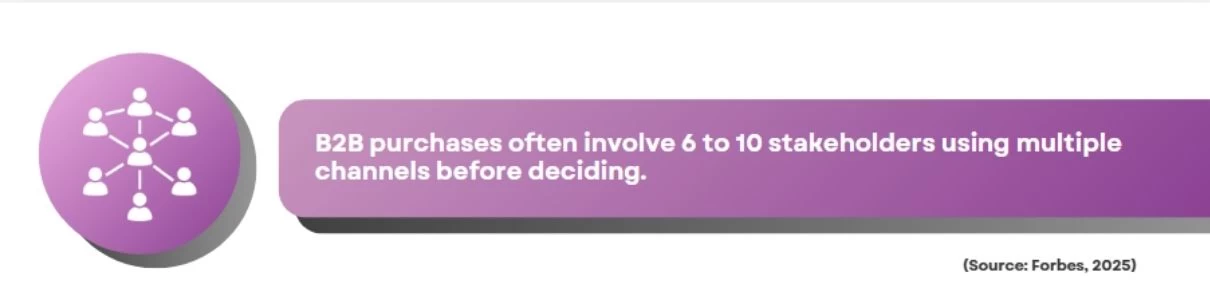
Unlike B2C impulse purchases, B2B decisions go through structured evaluation and multiple checkpoints. One ad won’t convince them, one platform won’t influence them, and one channel won’t close them, only a coordinated omni-channel strategy will.
3. The Self-Directed Buyer Journey
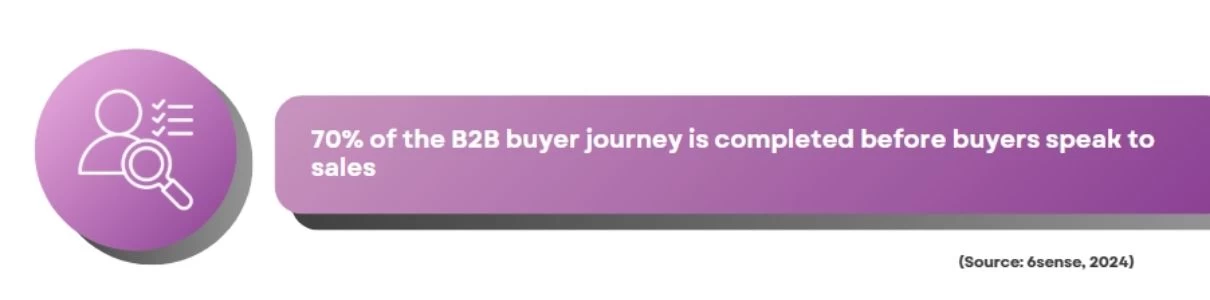
Modern B2B buyers research independently, long before they ever speak to sales. That means brands must appear in search, educate through valuable content, retarget strategically, and nurture leads with smart automation, because influence needs to happen before the sales call.
Why Does Omni Channel Marketing Matter for B2B?
Because Buyers Move Across Platforms Seamlessly
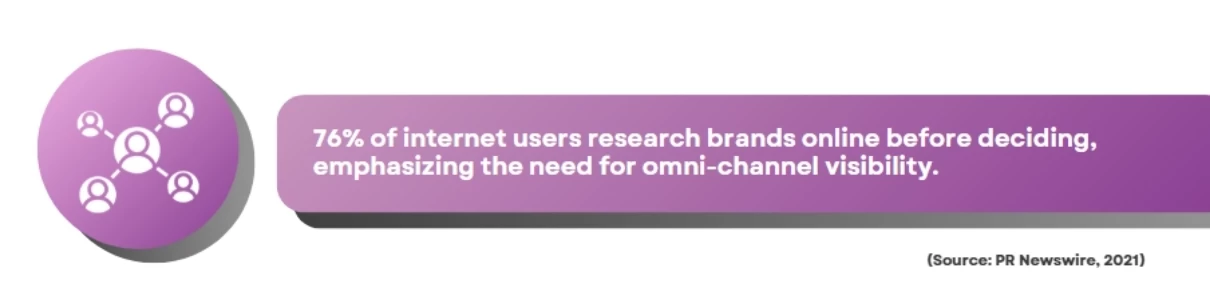
That research does not happen in one place.
It happens across:
- Search engines
- Social media
- Review platforms
- Webinars
- Industry publications
Without a unified omni-channel platform, messaging becomes inconsistent. Attribution becomes unclear. ROI becomes difficult to prove.
Because Younger Decision-Makers Are Digital-First
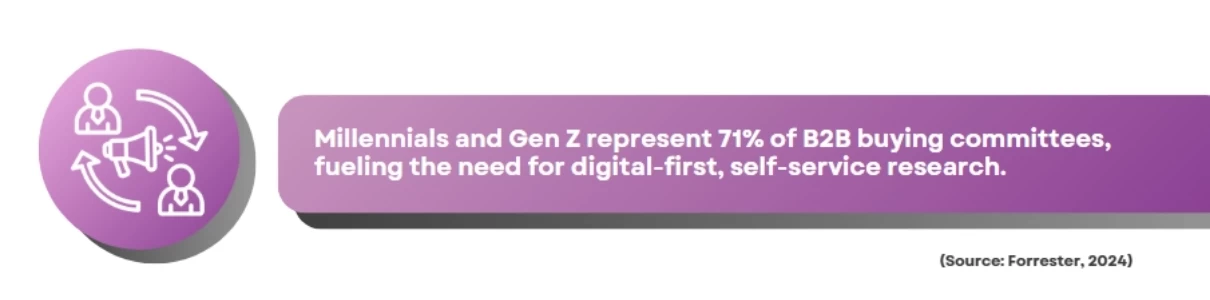
For agencies, this means:
- Strong SEO is mandatory
- Influencer collaboration in niche industries matters
- Automation must support personalization
- CRM and campaign data must connect
This is where working alongside a digital marketing tech company or structured marketing tech company ecosystem becomes critical.
How Brands Can Implement Effective B2B Omni Channel Campaigns?
Step 1: Build a Cohesive Strategy
A true omni-channel approach aligns:
- Search
- Paid media
- Content
- Influencer marketing services
- Email automation
- CRM integration
It connects strategy before execution. Differentiation now comes from infrastructure as much as creativity.
Step 2: Invest in the Right Technology Backbone
Technology is not a support function. It is the campaign engine.
An integrated all-in-one marketing platform enables:
- Multi-touch attribution
- Funnel visibility
- Lead scoring
- Data-driven optimization
Solutions like those offered by PurpleBug allow brands to unify data, messaging, and automation under one ecosystem, turning campaigns into measurable growth engines.
Step 3: Optimize Continuously
High-performing B2B campaigns are iterative.
They require:
- A/B testing
- Behavioral analysis
- Sales feedback integration
- Content performance tracking
Optimization is essential to stay competitive.
How Integration Builds Authority in B2B Marketing
B2B omni-channel marketing turns brands into revenue leaders, not just trend followers.
It delivers:
- Measurable ROI
- Cross-platform influence
- Higher-value contracts
- Long-term sustainability
B2C builds noise. B2B builds credibility. Omni-channel builds predictable growth. Brands that master a structured, all-in-one marketing approach define trends rather than chase them.
How PurpleBug’s Omni-channel Media and Searchability Solutions Helps in Driving Sustainable ROI
Through synchronizing brand messaging across all digital touchpoints, Omni-channel Media and Searchability Solutions ensure a frictionless and cohesive customer journey. By integrating advanced SEO strategies with data-driven social media and advertising placement, PurpleBug boosts organic visibility while maximizing the efficiency of paid spend.
This holistic approach doesn't just chase fleeting clicks; it builds a robust digital ecosystem that captures high-intent traffic and nurtures long-term brand equity. Ultimately, by leveraging cross-channel analytics to refine performance in real-time, PurpleBug ensures that marketing investments translate into scalable, long-term profitability rather than short-lived gains.
If you are ready to align visibility with measurable client outcomes, explore how PurpleBug supports brands through integrated Omni-channel Media and Searchability solutions designed to plan, execute, and continuously optimize performance-driven campaigns.
Have questions or are ready to elevate your strategy? Contact the PurpleBug team today and start building sustainable ROI through a smarter omni-channel approach.