Gamification Insights
The Psychology of Engagement: What Businesses Can Learn from Games
How powerful would it be if customers and employees stayed excited every day?
Engagement is the heartbeat of any thriving business. When customers feel connected to a brand, they buy more often and stay loyal longer. When employees feel motivated and valued, they perform at higher levels and contribute to lasting growth.
This kind of connection turns ordinary interactions into meaningful relationships that drive real business results.
Gamification in marketing is one of the most powerful strategies to achieve this. Games capture attention, encourage participation, and create rewards that keep people engaged and coming back. The same principles, when applied to business, can result in customer loyalty and motivated teams.
In this article, we will explore what businesses can learn from the psychology of games to boost engagement, strengthen loyalty, and inspire better performance.
Why Engagement Matters for Business
The digital age has created an oversaturated environment where businesses compete in a crowded online landscape. Competitors are everywhere, making it harder to capture both customer loyalty and employee commitment.
Engagement has become the true competitive edge. Customers now have endless choices, and employees expect more from the organizations they join. The businesses that rise above are those that know how to keep both groups genuinely motivated.
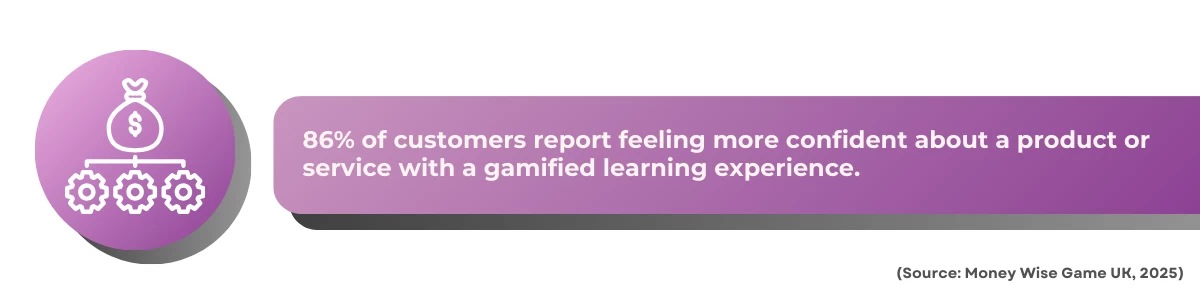
Games provide the perfect example. Every element—from visuals to scoring systems—is designed to sustain attention and build excitement. Applied in business, these same principles can strengthen loyalty, improve performance, and create lasting connections.
Core Game Psychology Principles Businesses Can Apply
Gamification harnesses the excitement of play to capture attention and sustain motivation. By tapping into the basics of human behavior, you keep people engaged and inspired to interact with your business.
The psychology behind gamification may be complex, but its principles are straightforward. Below are the core ideas that make businesses more effective in a demanding world.
The Feedback Loop
In games, players receive instant feedback whenever they act. Points flash, sounds play, or progress bars fill—each response fuels motivation and creates a sense of achievement. This ongoing cycle of action and reward keeps players engaged and eager for more.
In business, the same principle works just as well. A progress bar during sign-ups or a quick notification after a purchase makes customers feel recognized and rewarded instantly, encouraging them to stay connected.
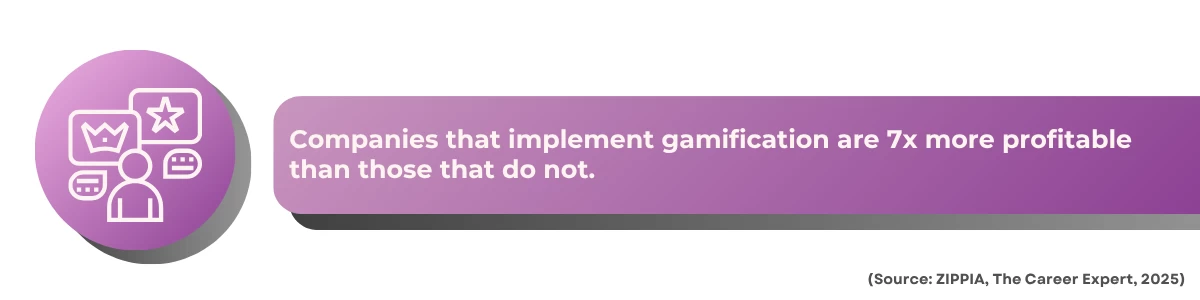
The Challenge-Skill Balance
Games keep players coming back by matching difficulty with ability. Too easy feels boring, too hard feels overwhelming. The sweet spot creates satisfaction.
For businesses, loyalty programs and contests can follow this principle. Tiered challenges allow everyone to participate at their own level, creating both inclusivity and excitement.
Variable Rewards
The thrill of surprise drives players to keep playing. Whether it’s finding a rare item or unlocking a mystery level, variable rewards spark curiosity and anticipation.
Businesses can do the same. Surprise discounts, hidden perks, or rotating mystery rewards keep customers eager for what’s next.
Social Proof and Competition
Leaderboards and public rankings make players push harder. Recognition and healthy competition build energy in communities.
For businesses, this translates to recognition programs, community challenges, or customer spotlights. People enjoy being seen, and that sense of belonging fuels stronger engagement.
The Sense of Progression
Games sustain long-term play by letting players level up, earn badges, or unlock new stages. Progression gives a sense of purpose and accomplishment.
Businesses can mirror this through tiered memberships, certificates, or skill pathways. These systems give customers and employees tangible proof that they are moving forward.
Applying Game Psychology to Different Business Areas
Game-inspired mechanics are flexible and can work across multiple aspects of business. In marketing, gamified campaigns, referral contests, and surprise offers encourage customers to take part in ways that feel fun and rewarding.
For employees, recognition platforms, internal competitions, and skill development journeys foster motivation and camaraderie. Simple systems like badges or progress trackers make achievements visible and meaningful.
Customer loyalty programs shine when layered with game elements. Tiered memberships, points that sometimes trigger surprise bonuses, or community-based perks all encourage people to stay connected and keep participating. The key is not to turn the business into a game company, but to selectively borrow mechanics that naturally fit the goals.
Playing for Keeps
Engagement is the advantage every business needs. Customers who feel valued spend more, and employees who feel recognized achieve more.
Adopting the mindset of a game designer transforms ordinary interactions into motivating experiences. A simple progress bar, a surprise bonus, or a tiered challenge can shift the way people connect with a brand or a workplace.
Businesses that approach engagement like a game aren’t just keeping pace—they’re building loyalty, boosting performance, and playing for long-term success.
Harness the power of gamification and see your business win every challenge. Work with a strategy that is driven by tech and defined by results. Visit the PurpleBug website to learn more about our Games Studio solution and other data-driven solutions we can offer you.